Confused about the difference between cable glands and cable connectors for your industrial application?
Using the wrong component can lead to costly downtime, safety hazards and non-compliance.
Our guide breaks down the key differences between cable glands and connectors, including their primary functions, strain relief, sealing, detachability, materials and ideal use cases.
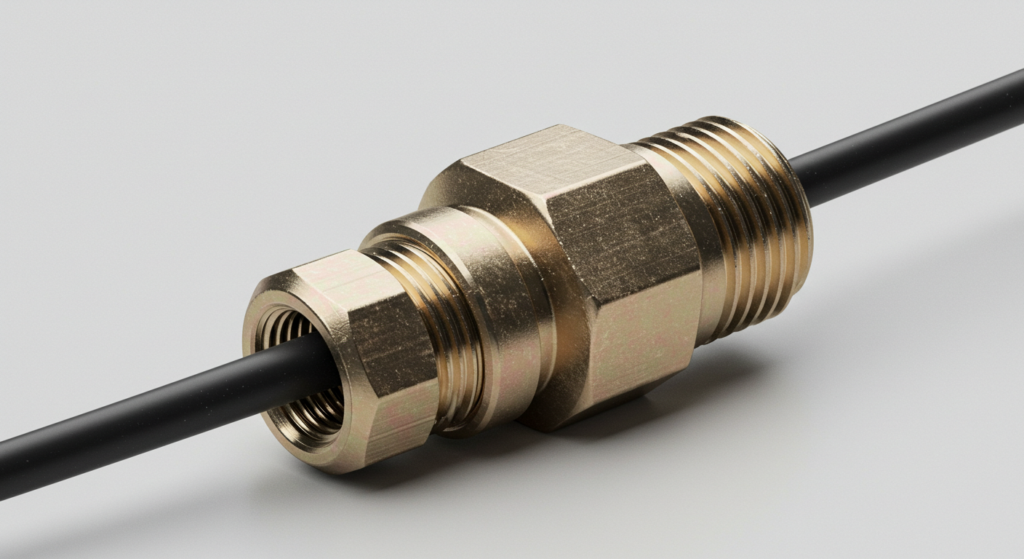
What Is Cable Gland
A cable gland, also known as a cable connector, is a device used to securely connect and seal the end of an electrical cable to a piece of equipment such as a junction box, motor, or control panel. Cable glands provide strain relief, environmental sealing, and ensure a secure connection between the cable and the equipment.
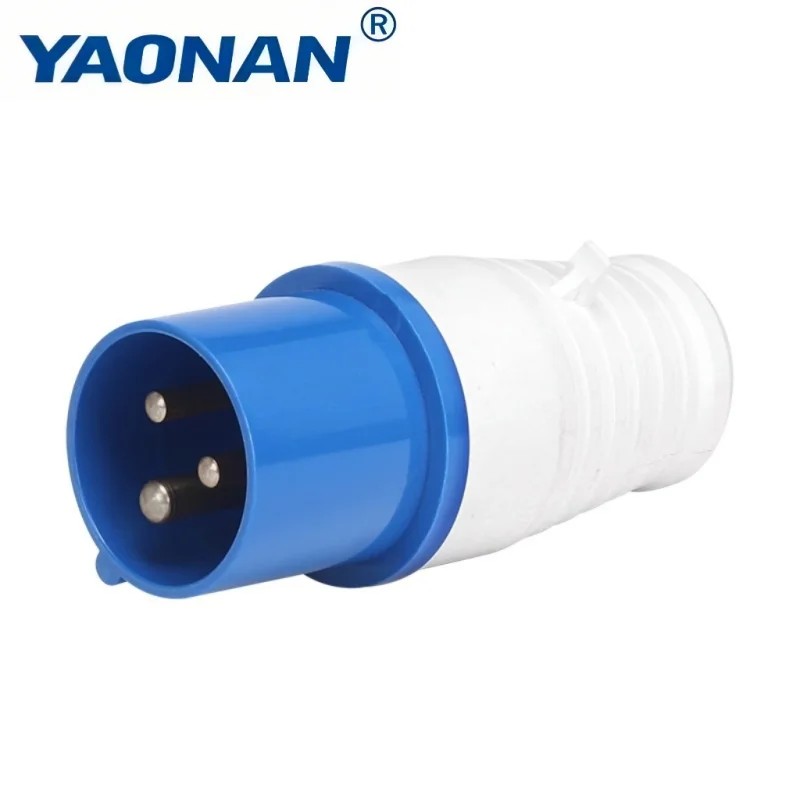
What Is Cable Connector
A cable connector is an electro-mechanical device used to join electrical terminations to create a continuous electrical path. The main purpose is to provide a conductive path for power, signal or data transmission between multiple cables or between a cable and a terminal equipment.
The Difference Between Cable Gland and Cable Connector
Primary Function
Cable glands primarily serve as sealing and strain relief devices. Their main job is to firmly hold a cable as it enters an enclosure and protect that ingress point.
Connectors are devices designed to provide an easily detachable electrical connection. Their focus is on creating a conductive path to carry power, signals or data between cables or from cable to equipment.
Strain Relief
Cable glands offer substantial strain relief capabilities. They transfer mechanical loads generated by cable movement to the enclosure, minimizing stress at terminations.
While some larger connectors do offer strain relief, this is not their primary purpose. Many connectors rely on additional strain relief methods like cable ties and clamps.
Environmental Sealing
Most cable glands are designed to seal enclosure openings and prevent ingress of dust, dirt, moisture and other environmental contaminants.
The majority of connectors are not sealed devices. While specialized waterproof or splash-proof connectors exist, most are not designed for sealing the assembly.
Detachable Connection
Cable glands do not allow for quick disconnection. Cables are semi-permanently attached. Disassembly requires tools and may necessitate re-termination of the cable end.
Connectors are specifically made to provide easily detachable and reproducible electrical connections. They allow cables or equipment to be quickly connected or disconnected without tools.
Materials
Cable glands are commonly made of robust materials like metal, engineered plastics, and rubbers to withstand environmental stresses and offer strong mechanical retention.
While heavy-duty and sealed connectors use similar sturdy materials, many connectors prioritize light weight, compact size and ease of use. Plastic is the dominant material used.
Applications
Cable glands see widespread use in industrial settings, factories, harsh outdoor environments, and hazardous locations. Any application requiring a reliable seal at the cable entry point.
Connectors are more broadly used across electronics and electrical systems for power and signal transmission. They enable modularity for easy installation, maintenance and upgrades.
The importance of Waterproof joint symbol selection In complex industrial environments, Waterproof joint symbol are not just simple marks, but also a bridge connecting safety and efficiency. Imagine that in the sea breeze and salt spray of an oil platform, or in the humid environment of automated equipment, each symbol on a cable connector has […]
Improper tensioning during electric cable installation can lead to safety hazards and system failures.Incorrect tension forces can damage cables, reduce performance, and create dangerous situations. Understand the fundamentals and methods of electric cable tensioning to ensure safe, reliable, and efficient cable installations. What is Electric Cable Tensioning Electric cable tensioning is a critical process in […]
We use cookies to enhance your browsing experience, serve personalised ads or content, and analyse our traffic. By clicking "Accept All", you consent to our use of cookies.