Is Brass Waterproof? The Truth About Brass and Water
Published: Author: yaonan
Brass, an alloy of copper and zinc, is widely used in applications involving water exposure due to its perceived water resistance. However, not all brass is created equal when it comes to withstanding the effects of moisture.
In this article, we will dive into the various types of brass and their differing levels of water resistance, explore the factors that influence brass corrosion in both saltwater and freshwater environments, and discuss best practices for protecting brass components from water damage.
Is brass waterproof
Brass is generally water-resistant but not fully waterproof. While brass does not rust like steel, it can develop tarnish over time when exposed to moisture and air, due to a chemical reaction on the surface. This tarnish, called patina, acts as a protective layer against further corrosion but can affect the appearance. Brass is suitable for many water applications but not where complete water resistance is required.
Types of Brass and Their Water Resistance
Leaded Brass
Leaded brass alloys contain a small percentage of lead, which improves machinability and wear resistance. However, the lead content can also impact the alloy’s corrosion resistance.
Admiralty Brass: Consisting of 69% copper, 30% zinc, and 1% tin, Admiralty Brass offers excellent resistance to seawater corrosion. The addition of tin enhances its protective properties, making it a popular choice for marine hardware and heat exchangers.
Naval Brass: Similar to Admiralty Brass, Naval Brass contains 59% copper, 40% zinc, and 1% tin. This composition provides good corrosion resistance in saltwater environments, though not as robust as Admiralty Brass. It is commonly used in marine fittings and plumbing components.
High-Lead Brass: Alloys with lead content between 3-15% fall under this category. While the increased lead improves machinability, it can compromise the brass’s corrosion resistance. High-lead brass is not recommended for prolonged water exposure or potable water applications.
Lead-Free Brass
In response to environmental and health concerns, lead-free brass alloys have been developed as alternatives to leaded brass.
Silicon Brass: Also known as Eco Brass, this alloy replaces lead with silicon. It maintains good machinability while offering improved corrosion resistance compared to leaded brass. Silicon brass is suitable for plumbing fixtures and potable water systems.
Other Brass Types
Aluminum Brass: Containing 1-4% aluminum, these alloys demonstrate enhanced corrosion resistance, particularly in seawater. They are often used in marine hardware, heat exchangers, and desalination equipment.
Arsenical Brass: The addition of arsenic (0.02-0.1%) improves the brass’s resistance to dezincification, a common form of corrosion in zinc-containing alloys. Arsenical brass finds applications in water meters and valves.
DZR Brass: Dezincification Resistant (DZR) brass contains a small amount of arsenic or antimony to prevent dezincification. It is well-suited for potable water systems and plumbing components exposed to aggressive water conditions.
White Brass: Also called manganese bronze, white brass contains a higher proportion of manganese and aluminum. It offers excellent corrosion resistance and is commonly used in marine hardware and decorative applications.
Saltwater vs. Freshwater in Brass Corrosion
Chlorine and Chloramine
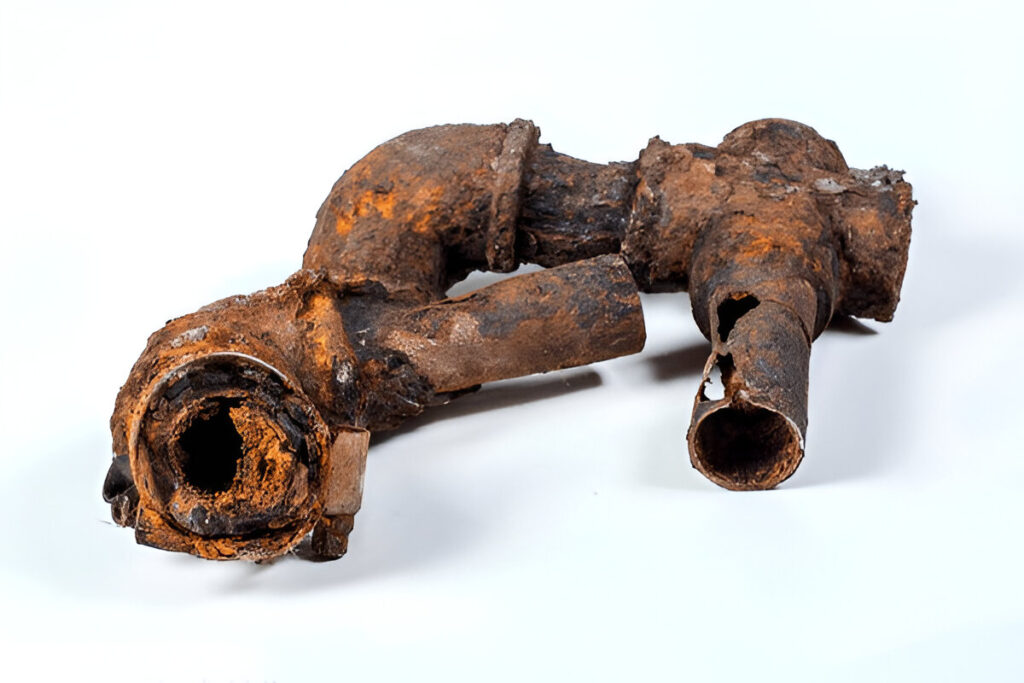
Chlorine and chloramine are commonly used as disinfectants in both freshwater and saltwater systems. However, these chemicals can accelerate brass corrosion. Chlorine is more corrosive than chloramine, but both can cause dezincification, a process where zinc is selectively leached from the brass alloy, leaving behind a porous and weakened copper structure. Higher concentrations of chlorine or chloramine lead to more rapid corrosion.
Water Hardness
Water hardness, determined by the concentration of dissolved minerals like calcium and magnesium, plays a role in brass corrosion. Hard water tends to form a protective scale on the surface of brass, slowing down corrosion. On the other hand, soft water lacks these scale-forming minerals and can promote more rapid corrosion. Saltwater is generally more corrosive than hard freshwater due to its higher conductivity and the presence of chloride ions.
PH Levels
The pH level of water can greatly influence brass corrosion rates. Brass is more resistant to corrosion in neutral to slightly alkaline water (pH 7-8.5). Acidic water (pH < 7) can rapidly corrode brass, causing pitting and accelerating dezincification. Highly alkaline water (pH > 8.5) can also increase corrosion rates. Saltwater typically has a pH range of 7.5-8.4, while freshwater pH can vary more widely depending on the source.
Other Contaminants
Various other contaminants in water can contribute to brass corrosion:
Sulfides: Hydrogen sulfide and other sulfur compounds can cause rapid corrosion and tarnishing of brass surfaces.
Ammonia: High levels of ammonia can accelerate dezincification and stress corrosion cracking in brass.
Heavy metals: Iron, manganese, and other heavy metals can deposit on brass surfaces, creating galvanic cells that promote localized corrosion.
Microorganisms: Certain bacteria, such as sulfate-reducing bacteria, can metabolize sulfur compounds and produce corrosive byproducts.
These contaminants are more common in stagnant or poorly maintained water systems, whether saltwater or freshwater.
Temperature
Higher water temperatures generally accelerate brass corrosion by increasing the rate of chemical reactions and the solubility of corrosion products. In both saltwater and freshwater, a temperature rise of 10°C (18°F) can double the corrosion rate. This effect is more pronounced in saltwater due to its higher conductivity.
Protecting Brass from Water Damage
Regular Cleaning
Regularly cleaning brass surfaces exposed to water helps prevent the buildup of corrosive substances such as salt, chlorine, and mineral deposits. Mild soap and water, along with soft cloths or brushes, can be used to gently remove dirt and grime. Abrasive cleaning agents should be avoided to prevent scratching the brass surface.
Drying After Use
Residual water can lead to spotting, tarnishing, and corrosion over time. Wiping brass surfaces with a clean, dry cloth after use helps remove excess moisture and minimizes the risk of water damage.
Applying a Protective Coating
Applying a protective coating to brass surfaces can provide an additional layer of defense against water damage. Clear lacquers, waxes, and oils can be used to seal the brass surface and prevent direct contact with water and other corrosive substances. These coatings should be reapplied periodically, as they may wear off over time due to exposure and handling.
Avoiding Acidic Substances
Brass is susceptible to corrosion when exposed to acidic substances, such as certain cleaning agents, vinegar, and citrus juices. Avoiding using acidic products on brass surfaces and to promptly remove any acidic spills or residues. If acidic substances come into contact with brass, neutralizing the acid with a mild alkaline solution and thoroughly rinsing and drying the surface can help prevent corrosion.
Polishing Regularly
Regular polishing helps maintain the appearance and protective properties of brass surfaces. Polishing removes tarnish, restores shine, and can help fill in minor scratches that may otherwise act as initiation sites for corrosion. A variety of brass polishing products, including pastes, creams, and cloths, are available commercially.
Cord Grips Cord grips, also known as gland cable fittings or cable glands, are mechanical devices designed to attach and secure the end of an electrical cable to equipment. These robust components provide a secure entry point for cables entering enclosures, panels, or junction boxes while offering comprehensive protection against environmental factors and mechanical stress. […]
What is a Cord Grip A cord grip is a mechanical device designed to secure, strain-relieve, and seal cables or wires as they enter electrical enclosures, equipment, or junction boxes. These essential components provide protection at cable entry points while maintaining the integrity of electrical connections. Often referred to as cable glands in some regions, […]
What is Cable Gland Thread A Cable Gland Thread is the engineered spiral ridge system machined onto cable glands that creates the critical connection point between cables and electrical enclosures. According to the International Cable Protection Committee, improper thread selection accounts for 32% of all cable entry failures in industrial settings. These precision-engineered threads serve […]