What Is the Difference Between A1 and A2 Cable Glands
Published: Author: yaonan
Are you confused about the differences between A1 and A2 cable glands? Not knowing the distinctions can lead to improper installations and compromised safety.
In this blog post, we’ll clarify the key differences between A1 and A2 cable glands, including sealing, compatibility, IP ratings, and suitable application environments. By understanding these distinctions, you can ensure you select the right gland for your specific needs.
What is A1 Cable Glands
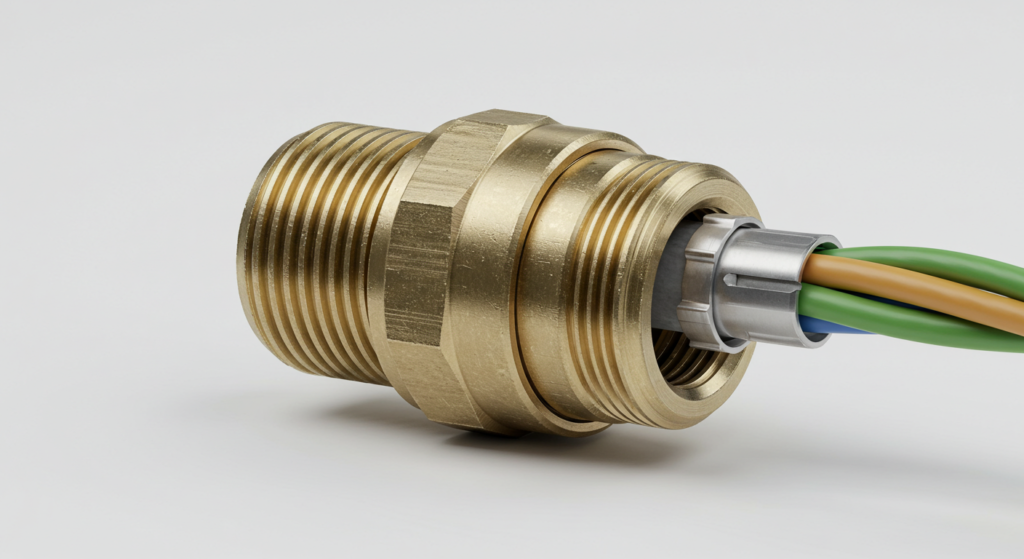
A1 cable glands, also known as non-armored cable glands, are designed for use with non-armored cables. These glands provide strain relief and seal the cable entry point against ingress of dust, dirt, and liquids. A1 cable glands feature a sealing ring, compression ring, and locking nut that work together to securely hold the cable in place and protect against environmental factors.
What is A2 Cable Glands
A2 cable glands, or armored cable glands, are specifically engineered for use with steel wire armored (SWA) cables. The armor of SWA cables provides additional mechanical protection and is often required in harsh industrial environments. A2 cable glands incorporate features to securely terminate and earth the armor, in addition to providing strain relief and environmental sealing like their A1 counterparts.
Key Differences Between A1 and A2 Cable Glands
Sealing Methods
A1 glands rely on a rubber sealing ring that compresses around the outer sheath of the cable to form a tight seal.
A2 glands have an additional cone-shaped seal that grips the inner bedding of the armored cable, providing an extra layer of protection.
Cable Compatibility
A1 glands are suitable for non-armored cables, including unarmored, braided, and screened cables.
A2 glands are specifically made for SWA cables and are not compatible with non-armored varieties.
Ingress Protection (IP) Ratings
A1 glands commonly provide IP66, IP67, or IP68 protection, indicating high levels of dust and water resistance.
A2 glands often boast similar IP ratings but may have additional certifications for hazardous area use due to the nature of armored cable applications.
Typical Application Environments
A1 glands are widely used in general industrial, commercial, and infrastructure settings where non-armored cables are sufficient.
A2 glands are more commonly found in heavy industrial environments, such as oil and gas, mining, and chemical processing, where the added protection of armored cables is necessary to withstand harsh conditions.
Cord Grips Cord grips, also known as gland cable fittings or cable glands, are mechanical devices designed to attach and secure the end of an electrical cable to equipment. These robust components provide a secure entry point for cables entering enclosures, panels, or junction boxes while offering comprehensive protection against environmental factors and mechanical stress. […]
What is a Cord Grip A cord grip is a mechanical device designed to secure, strain-relieve, and seal cables or wires as they enter electrical enclosures, equipment, or junction boxes. These essential components provide protection at cable entry points while maintaining the integrity of electrical connections. Often referred to as cable glands in some regions, […]
What is Cable Gland Thread A Cable Gland Thread is the engineered spiral ridge system machined onto cable glands that creates the critical connection point between cables and electrical enclosures. According to the International Cable Protection Committee, improper thread selection accounts for 32% of all cable entry failures in industrial settings. These precision-engineered threads serve […]